

Damien Hirst: Provocation, Preservation, and the Unending Pursuit of Artistic Value

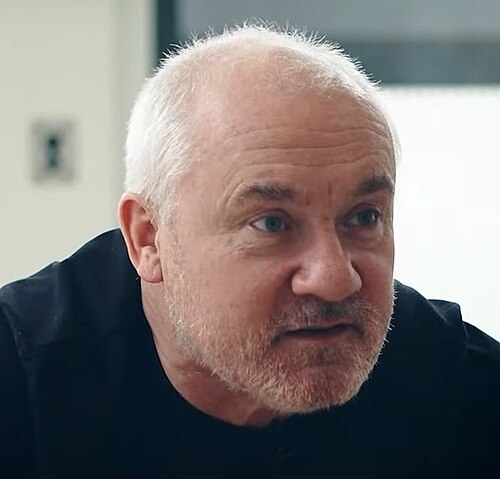
In short: Damien Hirst, a pivotal figure in the Young British Artists (YBA) movement, has consistently challenged the boundaries of art through his provocative themes, use of unconventional materials like formaldehyde, and a shrewd understanding of the art market. His work, often exploring life, death, and consumerism, has generated both critical acclaim and controversy, with many of his sculptures achieving multi-million dollar valuations. This article delves into Hirst's career, his signature techniques, and the enduring impact of his most iconic works on contemporary art and its commercial landscape in 2026.
The Maverick's Genesis: From Leeds to the YBA Phenomenon
Damien Hirst's journey from a working-class background in Leeds to becoming one of the most commercially successful and globally recognized artists of his generation is a testament to his audacious vision and relentless ambition. Born in 1965, Hirst's early life was marked by a rebellious spirit that would later define his artistic practice. He studied Fine Art at Goldsmiths College, London, graduating in 1989. It was during this period that he organized "Freeze," an independent exhibition in a disused London docklands warehouse, which showcased his own work alongside that of his fellow students. This groundbreaking show is widely credited with launching the Young British Artists (YBA) movement, attracting the attention of influential collector Charles Saatchi, who became a crucial patron for many of the YBAs, including Hirst.
The YBA movement, characterized by its confrontational approach, use of everyday materials, and often shocking imagery, exploded onto the international art scene in the 1990s. Hirst quickly emerged as its most prominent, and often most controversial, figure. His work tackled universal themes with a directness that was both unsettling and captivating, forcing viewers to confront uncomfortable truths about existence, mortality, and the very nature of art itself. This foundational period established Hirst not just as an artist, but as a cultural provocateur, a role he has embraced throughout his career. His early success laid the groundwork for a career defined by pushing boundaries, both aesthetically and commercially.
Confronting Mortality: The Formaldehyde Series
Perhaps no body of work is more synonymous with Damien Hirst than his "Natural History" series, which features dead animals preserved in formaldehyde. These works, stark and unsettling, immediately propelled him into the global spotlight and ignited intense debate.
The Shark and the Fly: Icons of Controversy
The most famous piece from this series is undoubtedly *The Physical Impossibility of Death in the Mind of Someone Living* (1991), a 14-foot tiger shark suspended in a tank of formaldehyde. Commissioned by Charles Saatchi, this artwork became an instant icon, challenging perceptions of art, beauty, and decay. The sheer scale and confrontational nature of the piece forced viewers to grapple with their own mortality and the artificiality of preservation. It was not merely a preserved animal; it was a philosophical statement, a memento mori on an epic scale.
Another equally provocative work from this era is *A Thousand Years* (1990), an installation featuring a glass vitrine divided into two sections. In one, a decaying cow's head is swarmed by flies, which are then electrocuted by an insect-o-cutor in the other section. This visceral depiction of the life cycle, from birth to death and decay, is a brutal and unflinching examination of natural processes. It is a work that demands a reaction, whether it be fascination, repulsion, or deep contemplation.
Work Title | Year | Medium | Core Theme |
|---|---|---|---|
*The Physical Impossibility of Death...* | 1991 | Tiger shark, glass, steel, formaldehyde | Mortality, preservation, fear of death |
*A Thousand Years* | 1990 | Glass, steel, cow's head, flies, insect-o-cutor | Life cycle, decay, artificial selection |
*Mother and Child (Divided)* | 1993 | Cow, calf, glass, steel, formaldehyde | Birth, death, parenthood, dissection |
The Science of Preservation: Beyond the Shock Factor
While the initial impact of these works is often one of shock, Hirst's use of formaldehyde is not merely for sensationalism. It serves a crucial conceptual purpose. Formaldehyde, a chemical traditionally used in laboratories for preserving biological specimens, transforms the natural world into something artificial and eternal, yet simultaneously frozen in a state of suspended animation. This dichotomy between life and death, nature and artifice, is at the heart of the series.
The process itself is meticulous and scientific, requiring expert taxidermists and chemists to ensure the long-term integrity of the specimens. This scientific precision contrasts sharply with the often raw and emotional themes the works explore. By presenting these creatures in pristine, museum-like vitrines, Hirst elevates them from mere biological specimens to objects of contemplation, forcing us to consider our relationship with the natural world and our attempts to control or transcend death. The very act of preservation becomes a metaphor for our human desire for immortality.
Diamonds, Dots, and the Art of Branding: Hirst's Commercial Acumen
Beyond the initial shock of his formaldehyde works, Damien Hirst has consistently demonstrated an unparalleled understanding of the art market and the power of branding. His career is marked by a shrewd ability to navigate and, at times, manipulate the commercial aspects of the art world, leading to extraordinary financial success.
*For the Love of God*: The Diamond Skull
In 2007, Hirst unveiled *For the Love of God*, a platinum cast of an 18th-century human skull encrusted with 8,601 flawless diamonds, including a pear-shaped pink diamond (the "Skull Star Diamond") embedded in the forehead. This opulent and provocative piece, reportedly created at a cost of £15 million, quickly became one of the most talked-about artworks of the 21st century.
Its estimated value soared, and it was reportedly sold for £50 million ($100 million at the time) to a consortium including Hirst himself, his gallery White Cube, and other investors. While the exact details of the sale remain somewhat opaque, the sheer ambition and extravagance of the work cemented Hirst's reputation as an artist who could command astronomical prices and generate immense media attention. *For the Love of God* is a potent symbol of wealth, death, and the commodification of art itself, raising questions about value, luxury, and our fascination with the macabre.
The Spot Paintings: An Exploration of Infinite Combinations
Parallel to his more visceral works, Hirst developed his "Spot Paintings" series, which began in 1986. These works feature rows of perfectly circular, identically sized, and brightly colored spots, meticulously arranged on a white background. While seemingly simple, the series is vast, encompassing thousands of individual canvases, each with a unique arrangement of colors.
The initial concept was to create a sense of infinite variety within a rigid structure, exploring the possibilities of color combination and the clinical precision of scientific classification. Many of these paintings are produced by Hirst's assistants, a practice that has been both a source of criticism and a deliberate statement on authorship and the industrialization of art. Despite their apparent simplicity, or perhaps because of it, these paintings have become highly desirable in the market, with major auction houses regularly selling them for significant sums. For example, *LSD* (2000), a large spot painting, sold for £1.9 million (approx. $3 million) at a Sotheby's London auction in February 2015.
The Spin Paintings and Butterfly Works
Hirst's commercial appeal extends to other series, such as his "Spin Paintings" and "Butterfly Paintings." The Spin Paintings, created by pouring paint onto a spinning canvas, are characterized by their vibrant, chaotic, and often beautiful abstract patterns. These works, often created by Hirst or members of the public at various events, embody a sense of playful randomness.
His "Kaleidoscope" or "Butterfly Paintings" are intricate arrangements of real butterfly wings, meticulously placed to form elaborate geometric and kaleidoscopic patterns. Works like *The Kingdom of Heaven* (2009), comprising thousands of butterfly wings, are both visually stunning and conceptually provocative, once again bringing themes of beauty, death, and the fragility of life to the forefront. These series, while distinct, share a common thread: Hirst's ability to create aesthetically pleasing works that are also deeply rooted in his ongoing explorations of life and death, all while maintaining a strong market presence.
The Art Market Maestro: Direct Sales and Record Auctions
Damien Hirst is not only known for his art but also for his revolutionary approach to selling it. In 2008, he bypassed galleries and traditional auction houses by holding a direct-to-market auction at Sotheby's titled "Beautiful Inside My Head Forever." This unprecedented sale, coinciding with the global financial crisis, generated £111 million ($198 million), setting a record for a single-artist auction and demonstrating Hirst's unparalleled influence and market savvy. This move was a bold statement, asserting an artist's power over the commercial distribution of their work.
His works consistently achieve high prices at auction. While specific figures fluctuate with market conditions, his pieces often command sums in the millions. For instance, in 2021, *The Inescapable Truth*, a large formaldehyde piece featuring a sheep, sold for £3.4 million (approx. $4.7 million) at Sotheby's London. These figures underscore the sustained demand for Hirst's work among collectors, who value not only the aesthetic and conceptual depth but also the strong brand association with one of contemporary art's most enduring figures.
The article "How Is a Contemporary Artist’s Market Value Calculated? The Criteria That Determine the Price of an Artwork" offers a deeper dive into the complex factors that influence an artist's commercial standing, many of which Hirst has masterfully exploited to his advantage. His consistent media presence, the institutional backing of major museums, and a highly recognizable aesthetic all contribute to his robust market value. Another relevant read is "Why Is a Work of Art Expensive? The Real Factors That Determine Its Value," which further dissects the components contributing to high art prices, echoing many of the strategies Hirst has employed.
The Unending Provocation: Public Reception and Critical Debate
Damien Hirst's career has been a continuous dialogue with the public and critics, often marked by fierce debate. His work consistently challenges established norms, blurring the lines between art, science, commerce, and spectacle.
The Spectacle of Art
Hirst understands the power of spectacle. His installations are often grand, immersive, and designed to elicit strong reactions. From the monumental scale of his preserved animals to the dazzling array of diamonds on a skull, his works are inherently theatrical. This approach has sometimes led to accusations of sensationalism, with critics arguing that the shock value overshadows genuine artistic merit. However, Hirst himself has often stated that he wants his art to engage, provoke, and make people think, even if that thought is initially one of discomfort.
Authorship and the Role of the Assistant
A recurring point of contention has been the role of Hirst's assistants in the creation of his works, particularly the Spot Paintings and some of the formaldehyde pieces. Hirst employs a large team of fabricators and assistants, leading some to question the extent of his direct involvement and, by extension, the authenticity of the "artist's hand." Hirst maintains that the concept is paramount, and the execution, whether by his own hand or that of an assistant, is secondary. This stance aligns him with artists like Andy Warhol, who also embraced mass production and a factory-like approach to art-making. This debate, while often heated, highlights a fundamental shift in contemporary art regarding authorship and the definition of an artwork in an era of conceptual dominance.
Ethical Considerations and Animal Welfare
The use of real animals in his works has also sparked ethical concerns and protests from animal rights organizations. While Hirst has always maintained that the animals were already deceased or sourced ethically, the very act of preserving them for art raises uncomfortable questions about the exploitation of nature. These controversies, however, have only amplified the discussions around his work, ensuring its continued relevance and visibility.
The Enduring Legacy of Controversy
Ultimately, Hirst's provocations are not mere stunts; they are integral to his artistic language. They force us to confront uncomfortable truths about life, death, belief systems, and consumer culture. By pushing boundaries and embracing controversy, Hirst ensures his work remains relevant and continues to spark dialogue, cementing his place as a truly significant figure in the history of contemporary art. His ability to consistently generate discussion, whether positive or negative, is a hallmark of his genius.
Influences and Impact: Shaping the Contemporary Art Landscape
Damien Hirst's influence on contemporary art is undeniable. He emerged from a fertile period in British art and, in turn, has shaped the trajectory of many artists who followed.
Pop Art and Conceptual Art Lineages
Hirst's work draws heavily from both Pop Art and Conceptual Art traditions. Like Pop artists such as Andy Warhol, he engages with mass culture, consumerism, and the commodification of images. His Spot Paintings, with their systematic repetition and clinical aesthetic, echo Warhol's serial imagery, while his direct engagement with the market and branding aligns with the Pop Art ethos. The article "KAWS, the Anecdotes of a Pop Art Genius" explores similar themes of market savvy and popular culture integration that Hirst also exemplifies.
From Conceptual Art, Hirst inherits the idea that the concept or idea behind the artwork is more important than the aesthetic object itself. The formaldehyde pieces are prime examples: the idea of confronting mortality through preserved life is the core, with the actual execution serving that conceptual framework. This intellectual rigor, combined with visual impact, is a key characteristic of his practice.
The YBA Echo: A Generation of Boldness
As a leading light of the YBA movement, Hirst's success paved the way for many of his contemporaries. His bold approach, willingness to shock, and commercial achievements demonstrated that art could be both intellectually rigorous and immensely popular. The YBAs, including Tracey Emin and Sarah Lucas, shared Hirst's irreverent attitude and their collective impact fundamentally shifted the perception of British art on the global stage. Their legacy continues to inspire new generations of artists to challenge conventions and push creative boundaries.
Beyond the Canvas: Art as an Experience
Hirst's work has also contributed to a broader trend in contemporary art where the experience of the viewer is paramount. His large-scale installations are immersive and often confrontational, demanding an active engagement rather than passive observation. This shift towards experiential art, where the viewer becomes a participant in the work's meaning, is a significant development in recent decades. The way Hirst positions his art, not just as objects but as catalysts for thought and discussion, has influenced how art is presented, perceived, and consumed today. His lasting impact lies in his ability to make art that is both deeply personal and universally resonant, continually challenging us to question our assumptions about life, death, and the very definition of art.
FAQ about Damien Hirst
What is Damien Hirst most famous for?
Damien Hirst is most famous for his provocative artworks involving dead animals preserved in formaldehyde, particularly *The Physical Impossibility of Death in the Mind of Someone Living* (a tiger shark in a tank), and for his diamond-encrusted skull, *For the Love of God*. He is also widely known for his "Spot Paintings" and his role as a leading figure of the Young British Artists (YBA) movement.
Why is Damien Hirst considered controversial?
Hirst is considered controversial due to his use of real dead animals in his art, which raises ethical questions; his explicit exploration of themes like death, decay, and consumerism; and his reliance on assistants for the creation of many of his works, which challenges traditional notions of artistic authorship. His direct engagement with the commercial art market and record-breaking sales have also fueled debate.
What materials does Damien Hirst use in his art?
Damien Hirst is known for using a diverse and often unconventional range of materials. His most iconic works feature formaldehyde to preserve dead animals (sharks, cows, sheep), real diamonds (for his skull sculpture), and real butterfly wings. He also uses household gloss paint for his "Spot Paintings" and "Spin Paintings," as well as medical cabinets, pharmaceuticals, and surgical instruments in other series.
What themes does Damien Hirst explore in his work?
Hirst's work consistently explores fundamental themes such as life and death, beauty and decay, faith and science, and the arbitrary nature of value. He often confronts human mortality, the fragility of existence, the nature of belief systems, and the consumerist aspects of modern society, compelling viewers to reflect on these universal questions.
How has Damien Hirst influenced the art market?
Damien Hirst has significantly influenced the art market by pioneering direct-to-market sales, most notably his 2008 Sotheby's auction "Beautiful Inside My Head Forever," which bypassed galleries and generated record sales for a single artist. This move demonstrated an artist's ability to control their own market, influencing how artists and galleries approach commercial strategies and challenging traditional art market structures.
A Legacy of Unsettling Brilliance
Damien Hirst's career, now spanning over three decades, remains a powerful force in the contemporary art world. From the visceral shock of his formaldehyde animals to the glittering opulence of his diamond skull, Hirst has consistently challenged our perceptions of art, life, and death. He has expertly navigated the complexities of the art market, turning controversy into currency and transforming profound philosophical questions into instantly recognizable visual statements. In 2026, his work continues to provoke, to inspire, and to demand attention, solidifying his status as an artist who not only reflects our times but actively shapes them. His genius lies in his ability to hold up a mirror to society's deepest anxieties and desires, all while masterfully playing the game of art.
Discover the Unconventional World of Contemporary Art
At Class Art Biarritz, we believe in the power of art to challenge, to inspire, and to transform. If Damien Hirst's audacious explorations resonate with your own curiosity about the boundaries of creativity and value, we invite you to delve deeper into the vibrant and ever-evolving world of contemporary art. Whether you are a seasoned collector or just beginning your journey, understanding the narratives behind such groundbreaking artists is key to appreciating the true worth of a piece.
We welcome you to visit us at our gallery, located at 8 avenue Jaulerry, Biarritz, where Delphine and Romain Class are always delighted to share their expertise and passion. Explore a curated selection of works that push boundaries and spark conversation. If you possess a piece of contemporary art and are curious about its market value, we also offer free appraisal requests, providing insights into your artwork's place within the dynamic global art market.


Comments