

Jean-Michel Basquiat: A Legacy Etched in Art and Time

Updated: Sep 29
In short: Jean-Michel Basquiat, a pivotal figure of the late 20th century art scene, transformed from a New York City graffiti artist known as SAMO© to an internationally acclaimed painter in less than a decade. His work, characterized by raw emotion, socio-political commentary, and a unique visual language, continues to captivate and challenge audiences worldwide. This article delves into Basquiat's compelling biography, explores the astounding market value of his art, and highlights some of his most iconic and influential works, solidifying his enduring impact on contemporary art and culture.
The art world is a dynamic tapestry woven with innovation, rebellion, and profound personal expression. Few artists embody this spirit as vividly and enduringly as Jean-Michel Basquiat. Bursting onto the scene in the late 1970s, Basquiat’s meteoric rise was as astonishing as his art was visceral. His unique blend of street art sensibility, neo-expressionist fervor, and incisive social commentary carved a singular path in art history, leaving an indelible mark that resonates powerfully even today, in 2026.
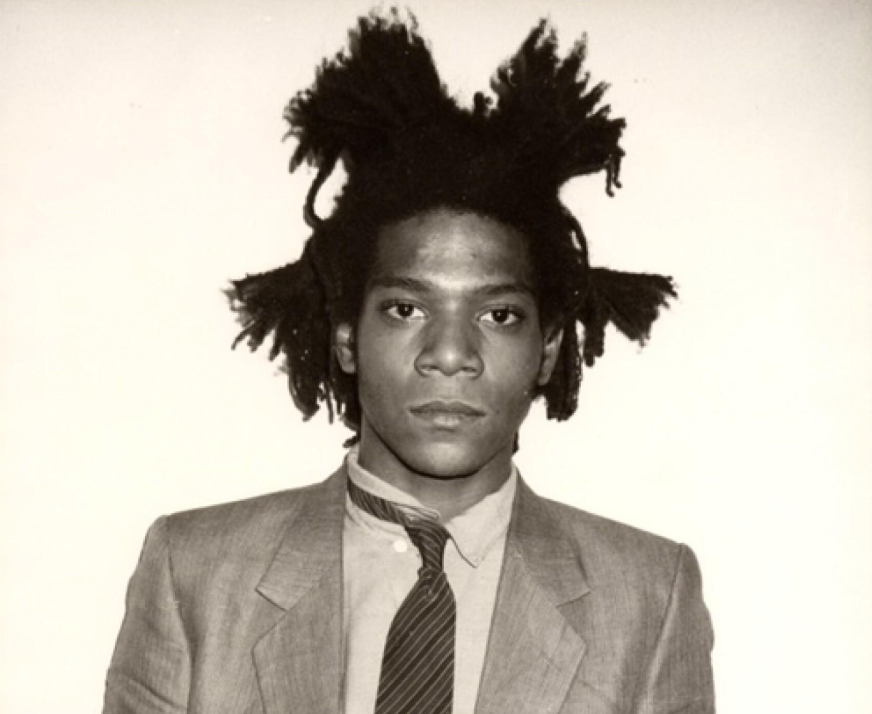
Basquiat's journey from a graffiti tagger in lower Manhattan to a global art superstar is a testament to his raw talent, vision, and the compelling narratives embedded within his canvases. His art, often described as poetic and political, drew from a vast lexicon of sources: African, Aztec, and Greco-Roman cultures, anatomical diagrams, jazz music, biblical passages, and pervasive themes of racism, class struggle, and identity. This rich synthesis created a visual language that was both deeply personal and universally resonant, offering a mirror to the complexities of modern society.
This article aims to provide a comprehensive exploration of Basquiat’s life, his artistic evolution, the phenomenal trajectory of his market value, and an in-depth look at some of his most significant works. We will uncover how a young, self-taught artist managed to challenge conventional art historical narratives and, despite a tragically short life, establish a legacy that continues to inspire, provoke, and command unparalleled attention in the global art market.
The Genesis of a Legend: Jean-Michel Basquiat's Biography
Born in Brooklyn, New York, on December 22, 1960, Jean-Michel Basquiat was the second of four children to Matilde Andrades, a Puerto Rican mother, and Gerard Basquiat, a Haitian-American father. His multicultural background profoundly influenced his artistic perspective, providing him with a unique lens through which to view American society. From an early age, Basquiat displayed a prodigious artistic talent. His mother, an avid art enthusiast, recognized and nurtured this gift, frequently taking him to art museums around New York City and encouraging his creative pursuits.
A pivotal moment in Basquiat's youth occurred at the age of seven when he was hit by a car. During his recovery, his mother gave him a copy of *Gray's Anatomy*, a medical textbook that would later become a recurring motif in his art, influencing his fascination with the human body, its internal structures, and its vulnerabilities. This early exposure to anatomy, combined with his deep immersion in diverse cultures and urban landscapes, laid the groundwork for his distinctive visual vocabulary.
Basquiat's formal education was sporadic and often turbulent. He attended various schools, including the alternative City-as-School, but found the traditional academic environment stifling. By his late teens, he had dropped out and left home, immersing himself in the vibrant counter-culture scene of downtown New York City. This period, from the late 1970s to the early 1980s, was a crucible of artistic innovation, where punk, hip-hop, and new wave movements converged. Basquiat, with his striking presence and intellectual curiosity, quickly became a fixture in this bohemian milieu.
SAMO©: The Birth of a Street Art Icon
Basquiat's first public foray into art came not through galleries, but through the streets. From 1977 to 1980, he, along with his friend Al Diaz, began tagging buildings in lower Manhattan and SoHo under the pseudonym SAMO©, an acronym for "Same Old Shit." These enigmatic, poetic, and often sardonic aphorisms, scrawled on walls and public spaces, were a commentary on consumerism, society, and art itself. Phrases like "SAMO© AS AN ALTERNATIVE TO GOD" or "SAMO©... FOR THE SO-CALLED AVANT-GARDE" garnered significant attention and intrigued the art world, foreshadowing Basquiat's future impact. The mystery behind SAMO© eventually dissolved, and in 1980, the tag appeared with the definitive statement: "SAMO© IS DEAD." This marked Basquiat's transition from anonymous street artist to an emerging presence in the formal art scene.
From Graffiti to Gallery: The Rise to Prominence
Basquiat's transition from street art to the gallery circuit was remarkably swift. His work was first exhibited publicly in 1980 at "The Times Square Show," a seminal exhibition organized by Collaborative Projects Inc. (Colab) and Fashion Moda. This unconventional show, held in an abandoned massage parlor, brought together a diverse group of emerging artists and signaled a shift in the art world's landscape. Basquiat's raw, powerful canvases stood out, immediately catching the attention of critics and gallerists.
By 1981, Basquiat had his first solo exhibition at the Annina Nosei Gallery in SoHo, which was an immediate success. His reputation soared, and he quickly became a darling of the New York art scene. His art resonated with a generation eager for authenticity and challenging narratives. His work was raw, emotional, and often confrontational, tackling complex themes such as identity, race, power structures, and the legacies of slavery and colonialism. He depicted Black figures as heroes, kings, and martyrs, challenging the predominantly white narratives of art history.
The Friendship with Andy Warhol and International Acclaim
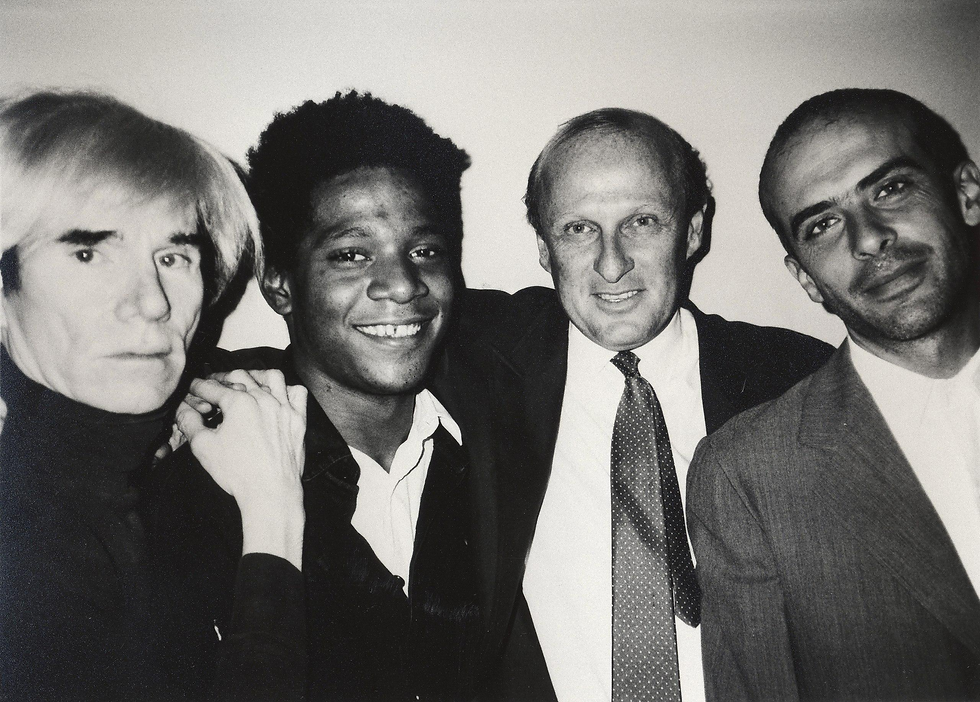
The mid-1980s saw Basquiat's career reach unprecedented heights. He became a close friend and collaborator with Andy Warhol, the undisputed king of Pop Art. Their friendship, though complex, was artistically fruitful, leading to a series of joint exhibitions and paintings. Warhol, recognizing Basquiat's genius, mentored him and helped elevate his international profile, while Basquiat, in turn, re-energized Warhol's own artistic practice. Their collaborative works explored themes of commercialism, celebrity, and identity, fusing Basquiat's raw energy with Warhol's iconic imagery.
Basquiat's fame spread globally, with exhibitions in Los Angeles, Europe, and Japan. He was the youngest artist ever to participate in documenta 7 in Kassel, Germany, in 1982, and his work was featured in the prestigious Whitney Biennial in 1983. He was a prolific artist, producing thousands of drawings and paintings, often working intensely for days without sleep.
A Tragic End and Enduring Legacy
Despite his monumental success, Basquiat struggled with the pressures of fame, the demands of the art market, and personal demons. He battled drug addiction, which ultimately claimed his life on August 12, 1988, at the age of 27, from a heroin overdose. His untimely death sent shockwaves through the art world, leaving behind a profound void and an extraordinary body of work.
Basquiat's legacy, however, has only grown in the decades since his passing. His art continues to be celebrated for its originality, intellectual depth, and emotional power. He broke down barriers for Black artists, challenged the establishment, and paved the way for new forms of artistic expression. Today, he is recognized as one of the most significant artists of the 20th century, a visionary whose work remains strikingly relevant in 2026.
The Soaring Market Value of Basquiat's Art
Jean-Michel Basquiat’s market trajectory is nothing short of phenomenal. From selling early works for modest sums in the early 1980s to commanding record-breaking prices at auction today, his art has become one of the most coveted and valuable assets in the global art market. This surge reflects not only the enduring artistic merit of his work but also a growing recognition of his cultural significance and his role as a pioneering figure.
Early Sales and Posthumous Appreciation
During his lifetime, Basquiat’s works commanded significant prices for a young artist, often selling for tens of thousands of dollars. However, it was in the decades following his death that the true scale of his market potential began to unfold. Initially, there was a period of consolidation, but by the early 2000s, prices began to climb steadily.
The market for Basquiat's art is characterized by intense demand from both established collectors and new generations of art enthusiasts and investors. His unique position at the intersection of street culture, fine art, and social commentary makes his work appealing across diverse demographics.
Record-Breaking Auction Results
Basquiat consistently ranks among the top-selling artists at auction, with several paintings reaching eight- and nine-figure sums. A few widely documented results:
Untitled (1982) — $110.5 million, Sotheby's New York, May 2017. The most expensive American-made artwork ever sold at auction at the time of the sale.
Flexible (1984) — $45.3 million, Phillips New York, May 2018.
Warrior (1982) — $41.9 million, Christie's Hong Kong, March 2021.
Boy and Dog in a Johnnypump (1982) — $28.9 million, Christie's, July 2020.
Figures as reported by the auction houses at the time of sale.
The Basquiat Effect: Cultural and Economic Impact
The dramatic rise in Basquiat's market value is not merely a reflection of art market speculation; it is indicative of a broader cultural shift. As the world becomes increasingly aware of the historical underrepresentation of artists of color, Basquiat stands as a towering figure whose work speaks directly to issues of race, power, and identity. His market success has paved the way for greater recognition and appreciation of other Black artists and artists of color.
Furthermore, Basquiat’s unique aesthetic has transcended the art world, influencing fashion, music, and popular culture. His iconic imagery—crowns, skulls, text, and raw figures—is instantly recognizable and has been appropriated and celebrated across various media. This widespread cultural resonance further fuels demand for his original works.
In 2026, the Basquiat market remains robust, driven by a global collector base seeking both artistic excellence and cultural significance. His works are seen not just as investments but as powerful statements on the human condition, making them enduringly relevant and highly sought after.
Iconic Works: A Glimpse into Basquiat's Genius
Jean-Michel Basquiat’s oeuvre is vast and diverse, yet certain works stand out for their profound impact, critical acclaim, and market significance. These iconic pieces not only showcase his unique artistic language but also serve as powerful capsules of his socio-political commentary and personal struggles.
1. *Untitled* (1982)
Perhaps the most commercially successful of Basquiat’s works, the 1982 *Untitled* painting, depicting a skull-like head, embodies the raw, visceral energy that defined his early career. This monumental canvas (7 feet by 5 feet) is a powerful example of Basquiat's neo-expressionist style, characterized by aggressive brushstrokes, a limited but impactful color palette (black, white, and yellow), and intense psychological depth.
The skull, a recurring motif in Basquiat's work, here appears as both a self-portrait and a universal symbol of mortality. Its exposed teeth, frantic eyes, and visible internal structures, reminiscent of *Gray's Anatomy*, convey a sense of anguish and vulnerability, yet also a fierce defiance. The painting's chaotic background, with its scribbled words and symbols, further immerses the viewer in Basquiat's complex inner world.
This *Untitled* work became the most expensive American-made artwork ever sold at auction when it fetched $110.5 million at Sotheby's in May 2017 (source: Sotheby's). This sale cemented Basquiat's place in the pantheon of art market legends and brought his work to an even wider global audience.
2. *Irony of Negro Policeman* (1981)
This early masterpiece is a scathing critique of systemic racism and the complex identity of Black individuals operating within oppressive systems. The painting depicts a Black figure, often interpreted as a police officer, with a wide, almost menacing grin, adorned with a white uniform and hat. The word "IRONY" is prominently scrawled across the canvas, leaving no doubt about the artist's message.
Basquiat uses his signature visual language—raw drawing, text, and symbolic imagery—to explore the internal conflict and societal paradoxes faced by a Black policeman in a predominantly white, often racist, society. The crown, a frequent symbol of royalty and martyrdom in Basquiat's work, here adds another layer of complexity, questioning who holds true power and who is merely an agent of it. *Irony of Negro Policeman* is a powerful example of Basquiat's ability to fuse personal identity with broader socio-political commentary.
3. *Warrior* (1982)
*Warrior* is a powerful and assertive painting that exemplifies Basquiat’s representation of Black figures as heroic and regal, despite their struggles. The central figure, with its sharp, angular features and a sword in hand, stands as a formidable presence, embodying strength and resilience. The crown, a consistent symbol of majesty and authority in Basquiat’s work, sits proudly on the figure's head.
This painting, like many of Basquiat's works from 1982, reflects his increasing confidence and mastery of his medium. The bold outlines, vibrant colors, and fragmented imagery create a dynamic composition that pulsates with energy. *Warrior* can be seen as a metaphorical self-portrait, a declaration of Basquiat's own artistic and cultural power, and a celebration of Black identity against a backdrop of historical oppression. It sold for $41.9 million at Christie's in March 2021 (source: Christie's).
4. *Pez Dispenser* (1984)
A more whimsical yet equally impactful work, *Pez Dispenser* showcases Basquiat’s engagement with popular culture and his ability to infuse everyday objects with deeper meaning. The painting features a dinosaur, rendered in Basquiat's characteristic graffiti-influenced style, with a crown atop its head, reminiscent of a Pez candy dispenser.
This piece, created during Basquiat’s peak period of fame and collaboration with Warhol, plays with themes of consumerism, branding, and childhood nostalgia. The dinosaur, often a symbol of ancient power or even obsolescence, is given new life and authority through Basquiat's crown motif. The combination of a commercial toy with the regal symbol creates a compelling juxtaposition, inviting viewers to question the value and longevity of both high art and pop culture.
5. *Riding with Death* (1988)
One of Basquiat’s last major works, painted in the year of his death, *Riding with Death* is a haunting and poignant exploration of mortality and vulnerability. The painting depicts a skeletal figure riding on the back of another figure, often interpreted as a representation of death or a spiritual guide. The figures are rendered with stark simplicity, almost like ancient cave paintings, set against a largely empty, ochre background.
This work is stripped of the chaotic energy and textual density often found in his earlier pieces, presenting a stark, almost primal meditation on the human condition. The simplified forms and muted palette amplify the emotional weight of the scene, suggesting a resignation or acceptance of fate. *Riding with Death* is a powerful and deeply personal statement, offering a somber reflection on the artist's own mortality and leaving viewers with a lasting impression of his profound introspection.
6. *Flexible* (1984)
*Flexible* is a large-scale painting featuring a central figure known as "The Skeletons" or "The Grim Reaper" motif, painted on a wooden fence panel. This choice of support material, reminiscent of his street art origins, adds a layer of raw authenticity to the work. The figure, with its elongated limbs and expressive face, embodies a sense of struggle and resilience.
The title *Flexible* itself can be interpreted in multiple ways—referring to the physical flexibility of the figure, the adaptability required to navigate life's challenges, or the very nature of art itself. The painting's vibrant background and dynamic composition highlight Basquiat's skillful use of color and line to convey emotion and movement. It sold for $45.3 million at Phillips in May 2018 (source: Phillips).
7. *Boy and Dog in a Johnnypump* (1982)
This vibrant and energetic painting captures a quintessential New York City street scene, brimming with Basquiat’s characteristic raw power. The "Johnnypump" refers to a fire hydrant, a common sight on city streets, often opened by children in the summer for impromptu water play. The work features a stylized boy and a dog, rendered with bold outlines and expressive forms, engaging with the gushing water.
The painting is a celebration of urban life and childhood innocence, yet it is imbued with Basquiat's underlying social commentary. The raw, almost primitive aesthetic and the energetic composition convey a sense of vitality and spontaneity. The figures, despite their simplicity, carry an emotional depth, reflecting Basquiat’s ability to imbue even everyday scenes with profound meaning. This work fetched $28.9 million at Christie's in July 2020 (source: Christie's).
These works, among many others, demonstrate the breadth and depth of Basquiat’s artistic vision. They are not merely paintings but powerful cultural artifacts that continue to engage, provoke, and inspire, ensuring his enduring relevance in 2026 and beyond.
Basquiat's Lasting Impact and Relevance in 2026
Jean-Michel Basquiat's influence extends far beyond the canvas and the auction house. In 2026, his legacy is deeply ingrained in contemporary culture, art education, and social discourse.
Cultural Icon and Role Model
Basquiat remains a powerful cultural icon, particularly for artists of color and those who feel marginalized by mainstream institutions. His rise from the streets to global superstardom is a narrative of self-determination and artistic defiance. He proved that groundbreaking art could emerge from outside traditional academic and institutional frameworks, inspiring countless individuals to pursue their creative visions. His image, often adorned with his signature dreadlocks and sharp suits, is synonymous with artistic freedom and urban cool.
A Catalyst for Discussion on Race and Identity
Basquiat's art fearlessly confronts themes of race, colonialism, and identity, making him a crucial figure in ongoing conversations about these issues. His portrayal of Black figures as kings, saints, and warriors challenges historical narratives that have often diminished or stereotyped Black experiences. In an era where discussions about systemic racism and representation are more prominent than ever, Basquiat's work provides a potent visual vocabulary for understanding and expressing these complexities. His art serves as a historical document and a contemporary mirror, reflecting the persistent struggles and triumphs of marginalized communities.
Influence on Contemporary Art
His raw, gestural style, the incorporation of text, and the fusion of high art with popular culture have had a profound impact on subsequent generations of artists. Basquiat's approach democratized art, blurring the lines between graffiti, drawing, painting, and collage. Artists today continue to draw inspiration from his fearless experimentation and his commitment to infusing art with personal and political meaning. He opened doors for neo-expressionism and paved the way for a more inclusive and diverse art world.
Academic and Curatorial Interest
Major museums and academic institutions worldwide continue to dedicate significant resources to studying and exhibiting Basquiat's work. Retrospectives, scholarly publications, and critical analyses consistently explore new facets of his art and life. In 2026, his work is an integral part of modern and contemporary art curricula, ensuring that future generations are exposed to his unique vision and contributions. The complexity and multi-layered nature of his art provide rich ground for ongoing academic inquiry, examining his influences, techniques, and the profound messages he conveyed.
Conclusion: The Undying Flame of Basquiat
Jean-Michel Basquiat's journey was brief, intense, and incandescent. In just a few short years, he ascended from an unknown street artist to a global phenomenon, leaving an oeuvre that continues to resonate with unparalleled force. His art, a vibrant fusion of autobiography, social critique, and historical consciousness, challenged conventions, celebrated Black identity, and exposed the hypocrisies of society.
In 2026, Basquiat's legacy is not just one of extraordinary market value, but of enduring cultural significance. He remains a beacon of artistic freedom, a powerful voice for the marginalized, and a testament to the transformative power of art. His crowns still shine brightly, his skulls still stare defiantly, and his raw, poetic language continues to speak volumes, reminding us of the fragility of life, the strength of the human spirit, and the eternal quest for identity and justice. Jean-Michel Basquiat's flame, though extinguished too soon, burns brighter than ever, illuminating the path for future generations of artists and thinkers.
Frequently Asked Questions about Jean-Michel Basquiat
Q1: What was Jean-Michel Basquiat's artistic style?
A1: Jean-Michel Basquiat's style is primarily categorized as Neo-Expressionism, characterized by raw, gestural brushstrokes, intense emotionality, and a departure from traditional aesthetics. His work also incorporated elements of street art (graffiti), drawing, symbolism, and text, creating a unique visual language that fused African, Caribbean, and European art traditions with contemporary urban culture. He often used found objects and unconventional materials in his practice.
Q2: What are the most common symbols found in Basquiat's art?
A2: Several symbols recur throughout Basquiat's oeuvre. The most prominent include:
The Crown: Symbolizing royalty, power, and the elevation of Black figures to heroic status. It can also represent his own self-coronation as an artist.
Skull/Head: Often seen as a self-portrait or a universal symbol of mortality, suffering, and the human condition, influenced by *Gray's Anatomy*.
Text/Words: Basquiat frequently incorporated words, phrases, and symbols into his paintings, often crossed out, suggesting multiple meanings, censorship, or the fleeting nature of language.
Anatomy/Body Parts: Reflecting his early fascination with *Gray's Anatomy*, these elements speak to themes of vulnerability, physicality, and medical racism.
African Masks/Primitivism: Drawing inspiration from African art, these elements connect his work to historical and cultural roots.
Q3: How did Basquiat's relationship with Andy Warhol influence his career?
A3: Jean-Michel Basquiat's friendship and collaboration with Andy Warhol were pivotal for both artists. Warhol, already an established icon, provided Basquiat with mentorship, increased visibility, and validation within the mainstream art world. Their joint exhibitions and collaborative paintings, which fused Basquiat's raw energy with Warhol's pop sensibility, generated significant media attention and introduced Basquiat to a wider collector base. For Warhol, Basquiat's youthful energy and raw expression revitalized his own creative practice during a period where he sought new artistic directions.
Q4: Why is Basquiat's art so expensive today?
A4: The high market value of Basquiat's art in 2026 is due to several factors:
Artistic Genius: His unique style, profound thematic depth, and innovative approach are widely recognized as groundbreaking.
Limited Supply: His tragically short career means a finite number of works, increasing their rarity and desirability.
Cultural Significance: Basquiat's work addresses timeless themes of race, identity, power, and inequality, making it highly relevant in contemporary society.
Global Appeal: He has a broad international collector base, from traditional art patrons to new generations of buyers influenced by his impact on popular culture.
Historical Context: Basquiat broke barriers as a Black artist in a historically white-dominated art world, cementing his place as a pivotal figure in art history.
Q5: Where can I see Jean-Michel Basquiat's work?
A5: Jean-Michel Basquiat's works are held in the collections of major museums and galleries worldwide. Some notable institutions include:
The Museum of Modern Art (MoMA), New York
The Whitney Museum of American Art, New York
The Broad, Los Angeles
The Museum of Contemporary Art (MOCA), Los Angeles
The Centre Pompidou, Paris
The Guggenheim Museum, New York
The Tate Modern, London
Additionally, his works frequently appear in high-profile exhibitions and auctions globally.
Discover Timeless Art at Class Art Biarritz
Whether you're a seasoned collector or just beginning your art journey, understanding the narratives behind iconic artists like Jean-Michel Basquiat enriches your appreciation for the art world. At Class Art Biarritz, we are passionate about sharing the stories of both established masters and emerging talents. We invite you to explore our curated collection of fine art, where passion and expertise converge.
Visit us at 8 avenue Jaulerry, Biarritz, to experience art firsthand, or contact us for a free appraisal of your art pieces. We look forward to welcoming you.


Comments